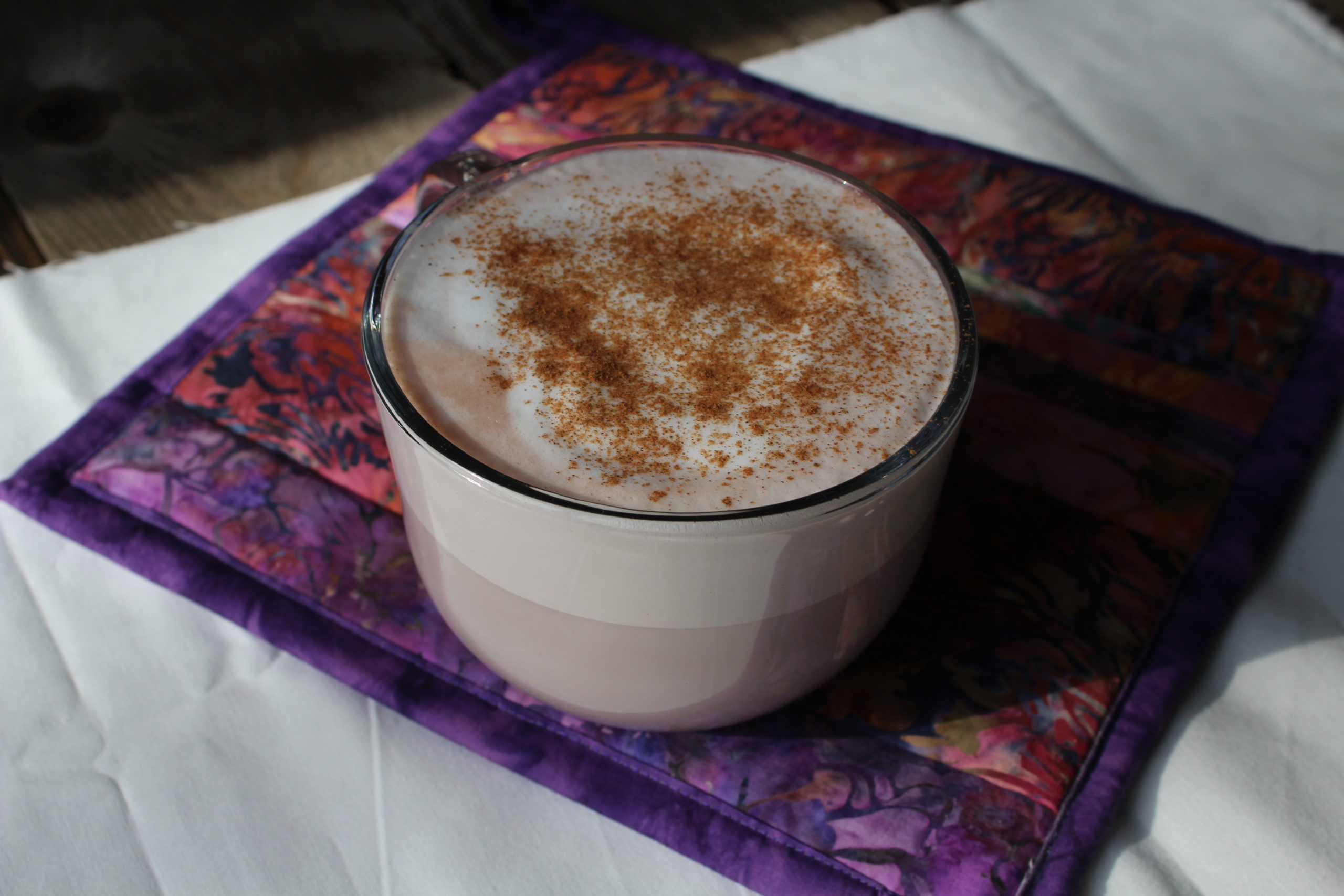
Why Berries Are Naturally Functional Foods
 Why Berries Are Naturally Functional Foods
Berries are naturally concentrated foods. Their deep colors signal the presence of naturally occurring compounds that make them valuable in functional nutrition. When foods carry rich pigment, they often deliver more than flavor; they offer nourishment that supports the body in meaningful ways.
Elderberry stands out among berries because of its long history of food use. As a functional food, elderberry works best when used regularly as part of meals and routines, not as a one-time solution. Functional nutrition depends on consistency, and berries make that possible because they are both nourishing and enjoyable.
Traditional Elderberry Preparations: Balanced, Food-Based Nourishment
Traditional preparations rarely use elderberry alone. Instead, families often paired elderberry with herbs and honey, not to overpower its flavor, but to complement and balance it. These combinations created food-based nourishment that felt gentle, familiar, and easy to incorporate into daily life.
By blending elderberry with supportive ingredients, traditional kitchens created functional foods that worked in harmony. This approach reflects the foundation of functional nutrition: balanced ingredients working together rather than isolated compounds working alone.
Why Syrups, Teas, and Tonics Fit Functional Nutrition
Liquids such as syrups, teas, and tonics offer a gentle and accessible way to include elderberry in daily routines. Unlike pills or powders, these preparations feel like food. They fit naturally into mornings, afternoons, and evenings without adding complexity.
Because liquids integrate easily into real life, they encourage consistency. Functional nutrition only works when it becomes a habit, and simple preparations make that habit easier to maintain.
Seasonal Nourishment and the Rhythm of the Year
Traditional nourishment followed the rhythm of the seasons. Elderberry has long been used seasonally, aligning food choices with the body’s natural needs throughout the year. Instead of reacting suddenly, families incorporated elderberry as part of regular seasonal support.
This seasonal rhythm remains central to functional nutrition today. When food choices reflect natural cycles, support feels steady and sustainable rather than urgent or forced.
Elderberry in the Family Kitchen
Historically, elderberry belonged in family kitchens, not in complicated protocols. It was simmered into syrups, brewed into teas, and shared across generations. Because it felt familiar, families used it consistently.
When wellness fits family life, consistency becomes simple. Functional foods succeed when they integrate into daily routines rather than disrupt them.
Flavor Matters in Functional Nutrition
Functional nutrition only works when people enjoy it. Flavor matters because consistency matters. Foods meant to nourish should be something you look forward to, not something you tolerate.
Elderberry’s rich, slightly tart flavor makes it enjoyable in syrups, teas, and preserves. When nourishment tastes good, daily use feels natural. That enjoyment transforms functional nutrition from a task into a tradition.
Elderberry as a Functional Food for Modern Life
Elderberry continues to earn its place in functional nutrition for its gentle, food-based nourishment. It reflects the principles that have guided traditional kitchens for generations: balance, seasonality, flavor, and simplicity.
Functional nutrition does not rely on extremes. It thrives on foods that people can prepare, enjoy, and use consistently. Elderberry remains one of those foods rooted in tradition, aligned with the seasons, and designed to nourish through everyday life.
Check Out Our YouTube Channel- https://www.youtube.com/@elderberryfamilyfarms480
For More Information- Check Out Our Website- https://elderberryfamilyfarms.com/empowering-natural-health/